Workouts · 8 min read
Oblique Exercises: 5 Best Moves for a Defined Waist
The best oblique exercises for a defined waist: side planks, Pallof presses, woodchops and more, with sets, reps and a simple twice-a-week plan.
Published November 2, 2026
Oblique exercises are what turn a flat stomach into a six-pack that actually looks finished. The obliques frame the abs from the sides, and when they're trained and you're lean enough, you get those diagonal lines running down toward your hips that make an ab photo look real instead of drawn on.
Most people train obliques with endless side bends or Russian twists with a plate, fast and sloppy, and then wonder why nothing changes. The obliques are a rotation and anti-rotation muscle: their biggest job is stopping your torso from twisting or bending sideways under load. Train them that way, with a few hard sets of controlled moves, and you build a stronger, tighter-looking waist. Train them with 200 reps of floppy twists and you mostly build a sore lower back. Five moves, twice a week, about 12 minutes each time, is enough for most beginners.
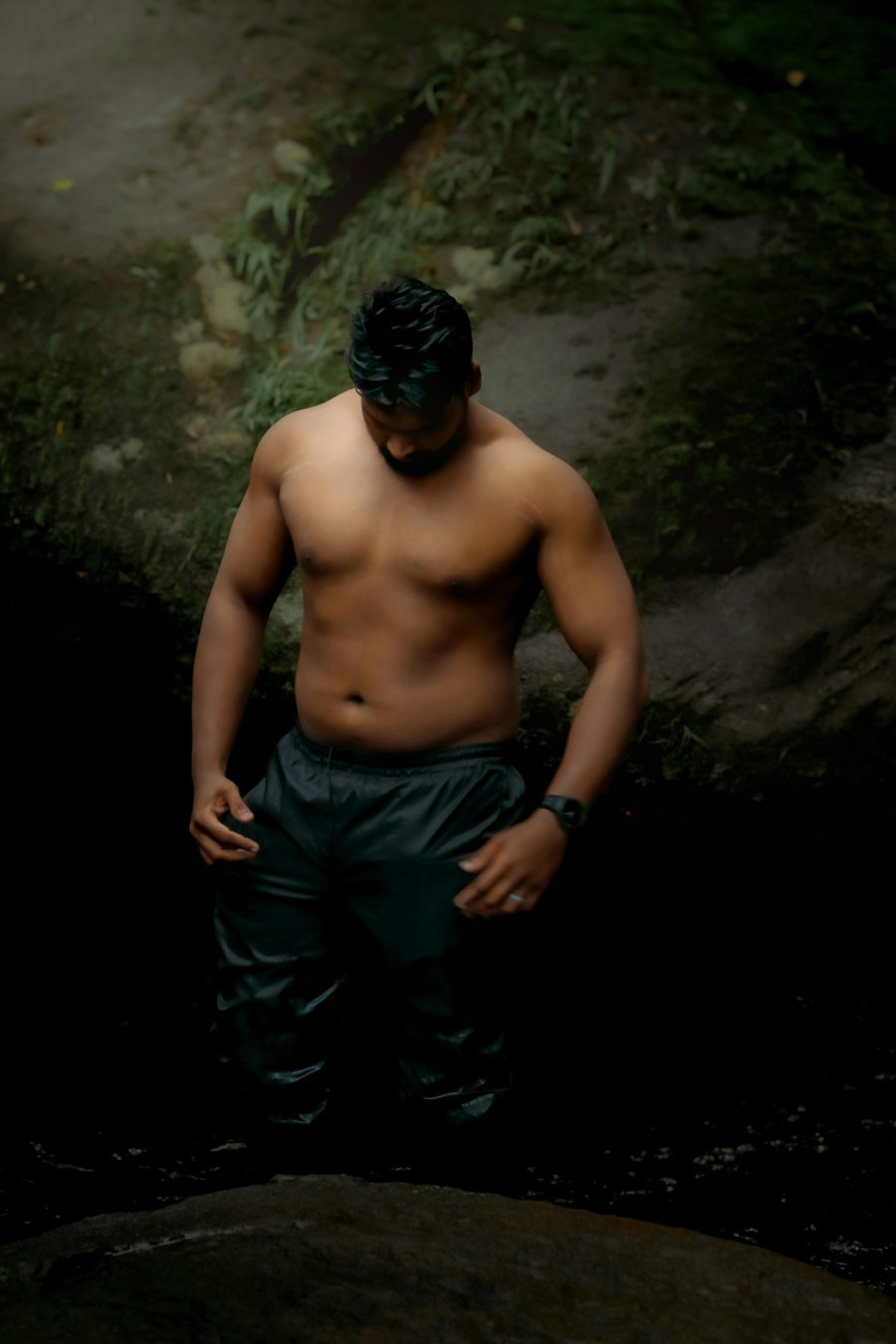 Before
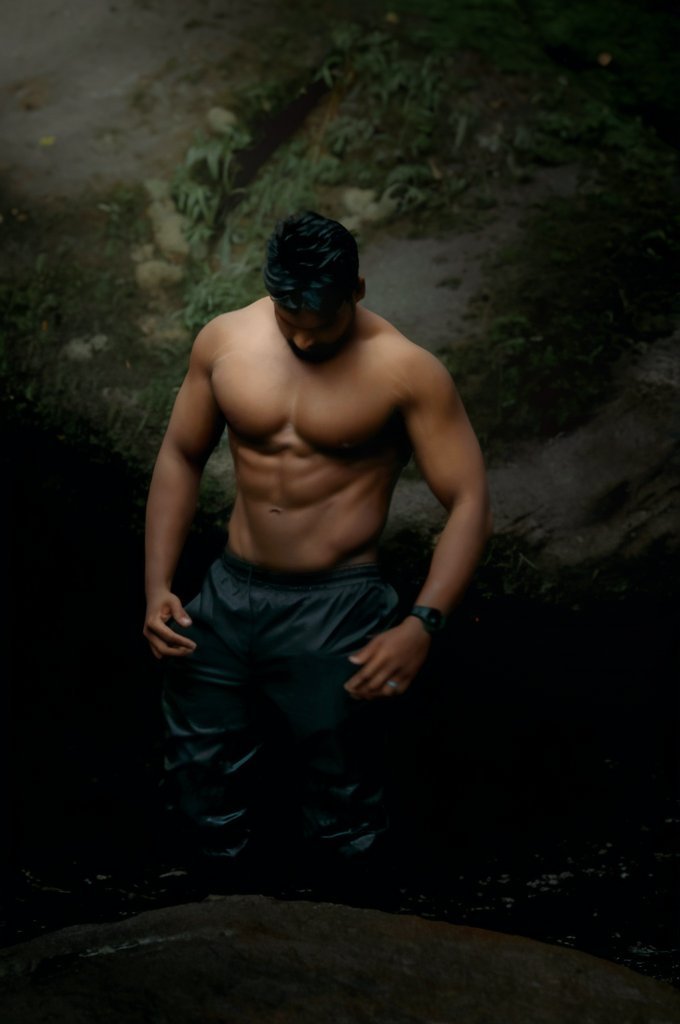 After
The work, step by step
- What the obliques do, and what "training" them really means. You have two layers on each side. The external obliques are the ones you can see: they run diagonally from your lower ribs down toward your hips and the front of your pelvis. The internal obliques sit underneath at the opposite angle. Together they rotate your torso, bend it sideways, and, more often in real life, resist both. Every time you carry a bag in one hand or throw a punch, they're working to keep you straight. That gives you three types of oblique exercises: anti-rotation (resisting a twist), anti-lateral flexion (resisting a sideways bend) and controlled rotation. The best plan uses one of each. Remember too that no oblique exercise burns fat off your sides. Lines show up when the muscle is built and your body fat is low enough, usually around 10 to 14 percent for men and 18 to 22 percent for women.
- Side plank: 3 sets of 20 to 45 seconds per side. The simplest of the oblique exercises and still one of the best. Lie on your side, elbow directly under your shoulder, feet stacked, and lift your hips until your body is a straight line from head to heels. Squeeze your glutes and push the floor away with your forearm. If you can't hold 20 seconds with clean form, bend your knees and plank from them instead. Once 45 seconds is easy, don't just go longer: make it harder. Lift the top leg, put your top hand on a light plate on your hip, or do side plank hip dips (lower your hip a few centimetres, then drive it back up) for 10 to 12 slow reps. Long holds past a minute mostly train patience.
- Pallof press: 3 sets of 10 to 12 per side. This is the anti-rotation move, and it's the one most beginners have never heard of. Set a cable or a resistance band at chest height, stand side-on to it with your feet hip-width apart, and hold the handle against your chest with both hands. Press it straight out in front of you, hold for 2 seconds, and bring it back. The cable tries to pull you round toward the machine, and your obliques are what stop it. Your hips and shoulders should stay square the whole time. Start light, around 5 to 10 kg on most cable stacks, and increase it once you can pause every rep without your hands drifting. It looks too easy until you try it.
- Cable woodchop: 3 sets of 10 to 12 per side. Now the rotation. Set a cable high, stand side-on with feet wider than shoulder width, and grab the handle with both hands above your shoulder. Pull it down and across your body toward the opposite hip, turning through your upper back and letting your back foot pivot slightly. Keep your arms fairly straight so the movement comes from your torso, not your shoulders. Control it back up over 2 seconds. Do a high-to-low set, then on another day try low-to-high with the pulley at the bottom. A good start is 7.5 to 15 kg. At home, a band anchored in a door or a single dumbbell held in both hands does the same job.
- Suitcase carry and hanging oblique knee raise. Suitcase carry: 3 walks of 20 to 30 metres per side. Pick up one heavy dumbbell or kettlebell, around 20 to 30 kg for most beginners, and walk tall without leaning toward it. That's anti-lateral flexion, and it hits the side of your core harder than any side bend. If your shoulder dips or you tilt, go lighter. Hanging oblique knee raise: 3 sets of 8 to 12 per side. Hang from a bar, then bring your knees up and toward one elbow, curling your pelvis rather than just lifting your legs. Lower slowly with no swing. If hanging is too hard, do the same thing lying on a bench, or use a captain's chair. These two pair well because one loads the sides while you stand still and the other works them through a big range.
- Put your oblique exercises into your week. Day A (end of an upper or push day): Pallof press 3x10-12 per side, side plank 3x20-45 s per side, hanging oblique knee raise 3x8-12 per side. Day B (end of a lower or pull day): cable woodchop 3x10-12 per side, suitcase carry 3x20-30 m per side. That's about 14 sets a week and 10 to 15 minutes per block. Squats, deadlifts and heavy carries already work the obliques, so don't add more just because they burn. Progress the way you would for any other muscle: more reps or a slower tempo first, then more weight. Pair this with your regular ab work, and if the lines still aren't showing after 3 months, it's almost always body fat, not your oblique routine. A 300 to 500 calorie deficit with around 1.6 g of protein per kg of bodyweight is what finishes the job.
Common pitfalls
- Doing heavy weighted side bends to "trim" your waist. Spot reduction doesn't work, and loading side bends heavy can make the waist look thicker, not smaller.
- Speed-twisting a plate in Russian twists. Fast, swinging reps put your lower back under more stress than your obliques. Slow down or swap them for woodchops.
- Letting your hips rotate on the Pallof press. If your belt buckle turns toward the cable, the weight is too heavy.
- Expecting oblique lines before you're lean. If you can't see your upper abs yet, the obliques won't show either. Diet comes first for visibility.
Pro tip: For an oblique photo, raise one arm overhead and turn your torso about 20 degrees away from the light. Side lighting from a window drops shadow into the diagonal lines along your waist, and raising the arm stretches the area so the muscle edges show more clearly.
How Muscle Editor fits in
If you want to see what defined obliques would do for your midsection, run a front photo through Muscle Editor's Abs editor at Fit. That's close to what a few months of steady core work plus a modest cut can show, and seeing your own waist with those lines makes the dull Pallof press sets easier to keep doing. Treat it as a goal picture, not proof of progress.
Frequently asked questions
What is the best oblique exercise?
For most beginners it's the side plank, progressed with hip dips or a leg lift once 45 seconds feels easy. The Pallof press and cable woodchop are close behind and cover anti-rotation and rotation, which side planks don't.
Do oblique exercises make your waist bigger?
Not in any way most people would notice. The obliques are thin muscles. Very heavy weighted side bends can thicken them a little, but planks, carries, Pallof presses and woodchops at moderate weights build definition, not bulk.
How often should I train obliques?
Two short sessions a week, around 10 to 15 hard sets total, is plenty. They also work during squats, deadlifts and carries, so more isn't automatically better.
Can I do oblique exercises at home?
Yes. Side planks and hip dips need nothing, a resistance band covers the Pallof press and woodchop, and a heavy bag or backpack works for suitcase carries. Lying oblique knee raises on the floor replace the hanging version.
Filed under Workouts. Tagged: abs, obliques, core, waist, workout, beginners.