Workouts · 8 min read
Lower Ab Exercises: 5 Best Moves for a Flatter Lower Belly
The best lower ab exercises for beginners: five moves from reverse crunches to hanging leg raises, with sets, reps, form fixes and a simple weekly plan.
Published October 28, 2026
Lower ab exercises work, but not the way most people use them. The trick isn't lifting your legs higher or doing more reps. It's curling your pelvis up toward your ribs on every rep, which is the one thing almost every beginner skips.
Most people do leg raises by swinging their legs up and down with a flat or arched lower back. That trains the hip flexors, the muscles at the front of your hips, and leaves the bottom of your abs mostly along for the ride. Add the fact that the lower belly is usually the last place fat comes off, and you get people doing 200 leg raises a day for months with nothing to show for it. Train the lower part of the abs properly twice a week, keep your body fat heading down, and the lines below your belly button usually start to show in 3 to 6 months, depending on where you start.
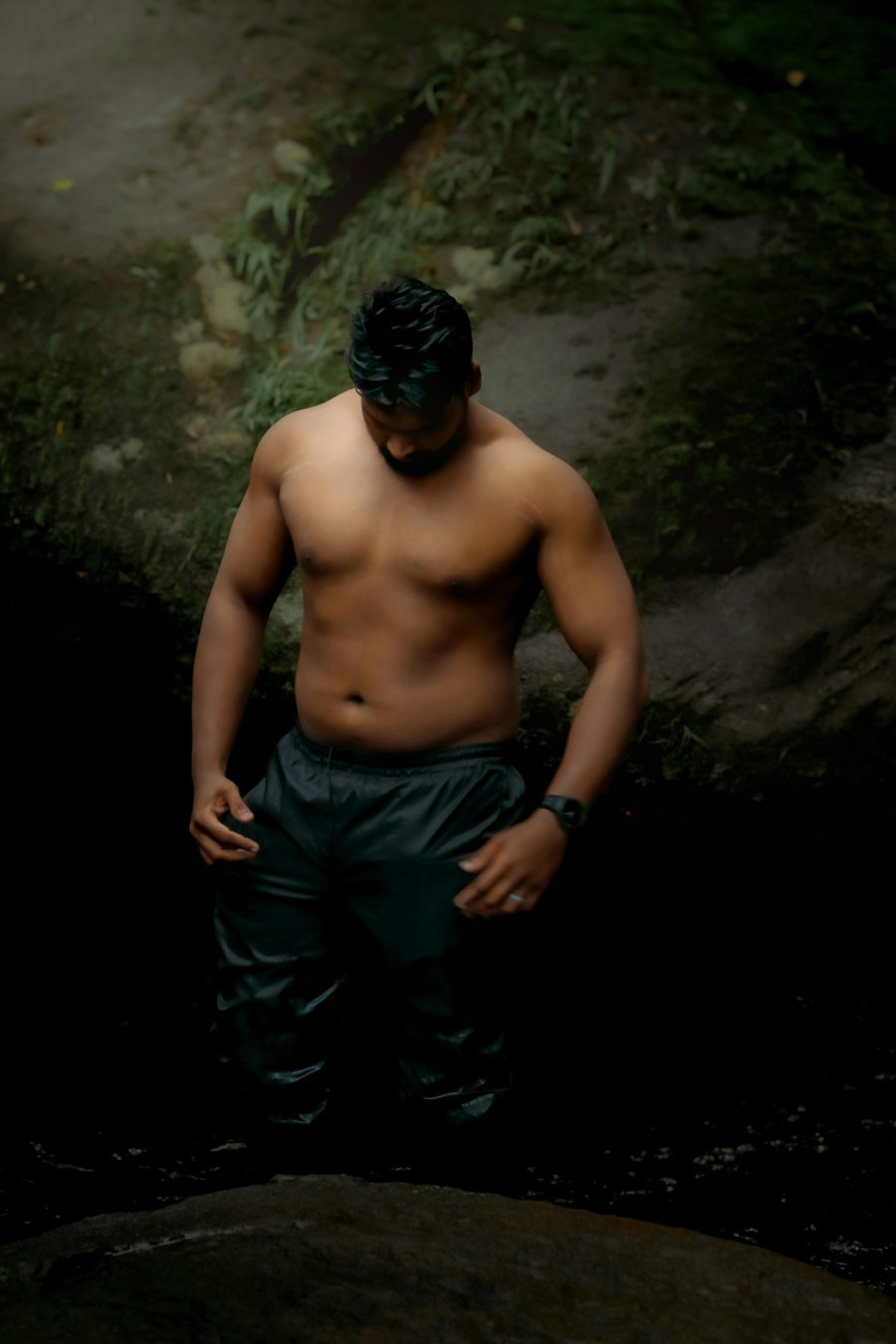 Before
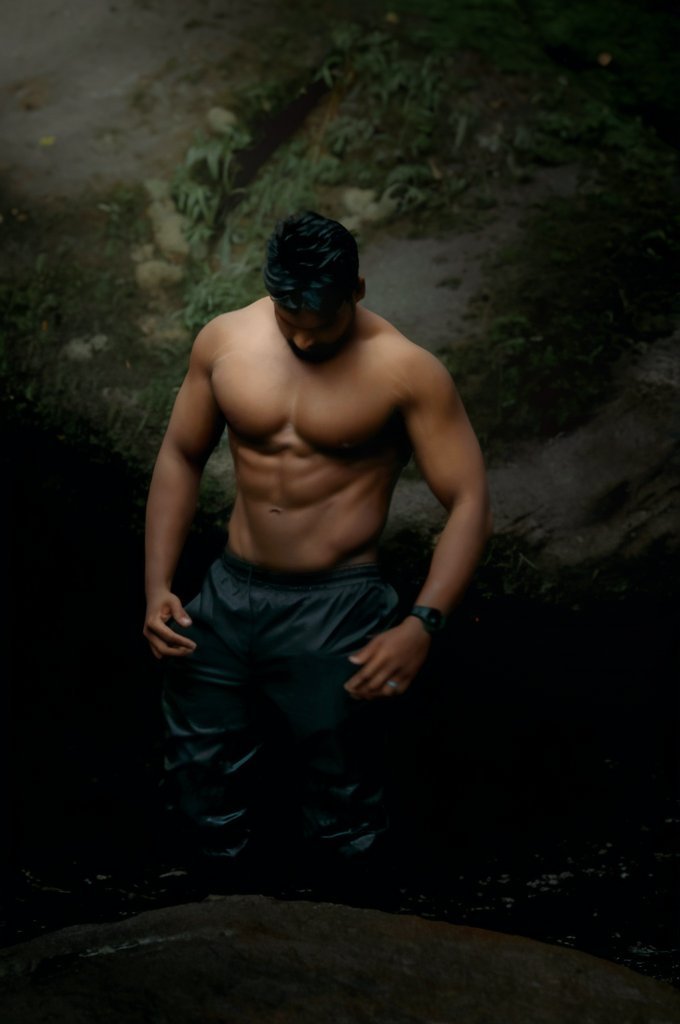 After
The work, step by step
- What "lower abs" actually means. There's no separate lower ab muscle. Your six-pack is one long muscle, the rectus abdominis, running from your ribs down to your pubic bone. But the nerves that control it come in at different levels, so the bottom section can be worked a bit harder by moves that start from the bottom: pulling your pelvis up toward your ribs instead of your ribs down toward your pelvis. That movement is called a posterior pelvic tilt. Lie on your back, flatten your lower back into the floor and tuck your tailbone up slightly. That small curl is the whole secret. Every lower ab exercise below is built around it. If your lower back arches off the floor at any point, the hip flexors have taken over and the rep doesn't count for much.
- Reverse crunch: 3 sets of 10 to 15. Start here, because it teaches the curl better than anything else. Lie on your back with your hands flat by your sides, knees bent at 90 degrees and lifted so your shins are parallel to the floor. Now roll your hips up off the floor, bringing your knees toward your chest, until your tailbone lifts a few centimetres. Pause for a second, then lower slowly over 2 to 3 seconds. Don't swing your legs to build momentum, and don't push hard through your hands. The range is small, maybe 10 to 15 cm of hip lift, and that's fine. If 15 slow reps get easy, do them on a bench set to a slight decline with your head at the high end.
- Dead bug: 3 sets of 8 to 10 per side. This one trains the opposite job: keeping your pelvis still while your legs move, which is what the lower abs do all day when you walk, run and lift. Lie on your back, arms pointing at the ceiling, knees bent over your hips. Press your lower back flat into the floor and keep it there. Slowly reach your right arm back over your head while you straighten your left leg out until your heel hovers a few centimetres off the floor. Breathe out fully as you reach, return, then switch sides. Take 3 to 4 seconds per rep. If your back starts to lift, don't lower the leg as far. It looks easy on video and it humbles almost everyone the first time.
- Lying leg raise and hollow hold. Lying leg raise: 3 sets of 8 to 12. Lie flat with your hands under your hips or holding a bench behind your head. Keep your legs straight or slightly bent and lift them until they point at the ceiling, then curl your hips a few centimetres off the floor at the top. Lower slowly, and stop the moment your lower back starts to arch. For most beginners that's with the heels about 20 to 30 cm off the floor, not touching it. Hollow hold: 3 sets of 20 to 40 seconds. Lower back pressed down, shoulders and legs lifted, arms reaching past your hips. Bend your knees to make it easier, reach your arms overhead to make it harder. Together these two cover the lower ab work that body-weight training can do on a gym mat.
- Hanging knee raise to hanging leg raise: 3 sets of 8 to 12. This is the hardest of the lower ab exercises and the one that builds the most. Hang from a pull-up bar with straight arms, shoulders pulled down slightly so you aren't just dangling. Lift your knees up toward your chest, and as they pass hip height, curl your pelvis up so your knees go toward your ribs, not just in front of you. Lower over 2 to 3 seconds without swinging. If you're swinging, put your feet down, reset, and go again. Start with bent knees. When you can do 3 sets of 12 slow knee raises, move to straight legs, then to straight legs with your toes going above hip height. If grip gives out first, use ab straps or a captain's chair, which supports your forearms and lets your abs finish the set.
- Put it into your week: 2 sessions of 10 to 15 minutes. Day A: reverse crunch 3x10-15, dead bug 3x8-10 per side, hollow hold 3x20-40 seconds. Day B: hanging knee or leg raise 3x8-12, lying leg raise 3x8-12, dead bug 2x8-10 per side. Add them to the end of any two training days with at least a day between, for example Monday and Thursday. That's around 15 hard sets a week, plenty for a muscle that already works in every squat and deadlift. Progress by adding reps, then by slowing the lowering phase to 3 or 4 seconds, then by moving to the harder version of each exercise. And keep the honest part in mind: lower abs only show at roughly 10 to 12% body fat for men and 18 to 20% for women. If you're above that, a 300 to 500 calorie daily deficit and around 1.6 to 2 g of protein per kg of bodyweight will do more for the look than any exercise on this list.
Common pitfalls
- Letting your lower back arch on leg raises. The moment it lifts off the floor, your hip flexors take over and your lower back starts to complain.
- Swinging on hanging raises. Momentum moves your legs, not your abs, so slow down and reset between reps if you need to.
- Doing lower ab work every day. Abs recover like any other muscle, and two hard sessions a week beat seven tired ones.
- Expecting exercises to burn lower belly fat. You can't spot reduce. The work builds the muscle, and a calorie deficit is what lets you see it.
Pro tip: Breathe out hard at the top of every rep, like you're blowing out birthday candles. A full exhale pulls your ribs down and your pelvis up at the same time, and most people feel their lower abs working for the first time when they start doing it.
How Muscle Editor fits in
If the lower belly is your sticking point, run a shirtless front photo through Muscle Editor's Abs editor at Fit to see what your abs could look like with a few months of training and a steady cut. Seeing the lower lines on your own body makes the boring reverse crunch sets easier to keep doing. Treat it as a goal picture, not a progress pic.
Frequently asked questions
What is the best lower ab exercise?
For most beginners it's the reverse crunch, because it teaches the pelvic curl that actually works the bottom of the abs. Once you can do it well, hanging knee and leg raises are the best lower ab exercise for building strength and visible muscle.
Can you target your lower abs?
Partly. The six-pack is one muscle, but moves that curl your pelvis up toward your ribs work the lower section a bit harder. What you can't target is the fat over it. That comes off with overall fat loss.
How long does it take to see lower abs?
It depends almost entirely on body fat. If you're already lean, 2 to 3 months of training can make them sharper. If you're carrying more fat, expect 4 to 6 months or more of a steady calorie deficit before they show.
Why do I feel lower ab exercises in my hip flexors or lower back?
Usually because your lower back is arching. Press it into the floor, bend your knees, shorten the range and breathe out at the top. If it still pulls on your back, go back to reverse crunches and dead bugs for a few weeks.
Filed under Workouts. Tagged: abs, lower abs, core, workout, beginners.