Workouts · 8 min read
Best Long Head Tricep Exercises: 5 Moves for Bigger Arms
The best long head tricep exercises for bigger arms: overhead extensions, incline skull crushers and more, with sets, reps and a simple weekly plan.
Published November 4, 2026
The best long head tricep exercises all share one thing: your arm is up by your head, not down by your ribs. That small change in position is why some people get the thick back-of-the-arm look from four sets a week while others do pushdowns for years and still have flat arms.
The long head is the largest of the three triceps heads, and it fills the back and inside of your upper arm, right where it shows when your arm hangs at your side. The trouble is that the usual triceps work (pushdowns, bench press, dips) keeps it in a short position and leaves it undertrained. You don't need a separate arm day to fix that. Two short blocks a week with the right moves is enough, and most people notice sleeves getting tighter at the back of the arm in 8 to 10 weeks.
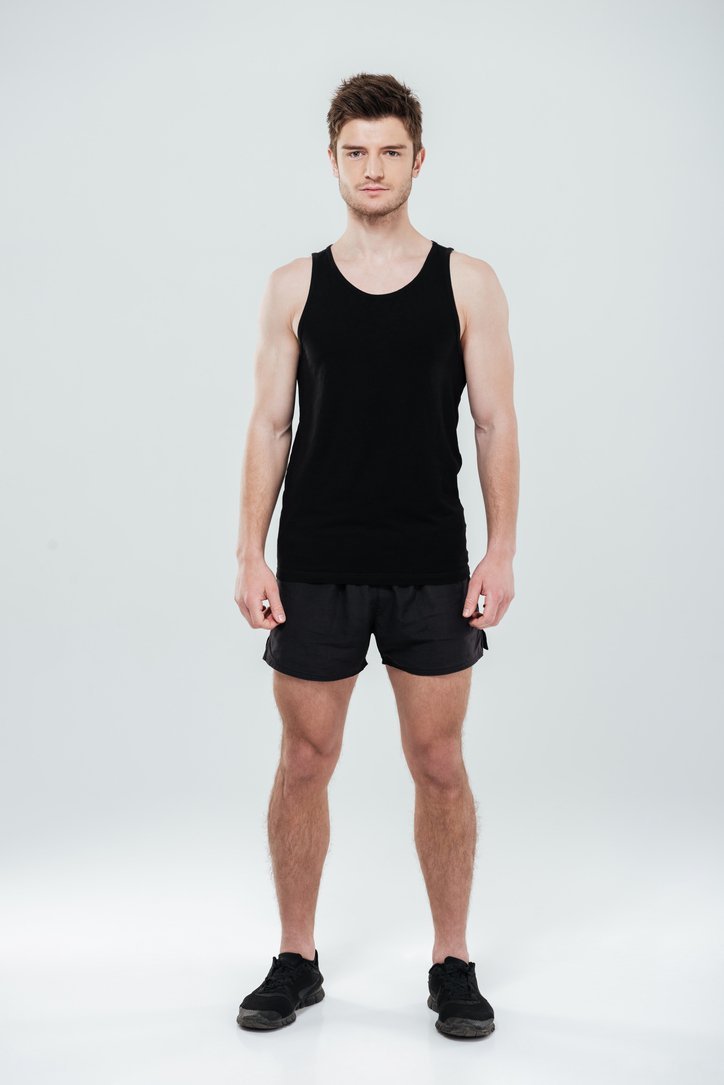 Before
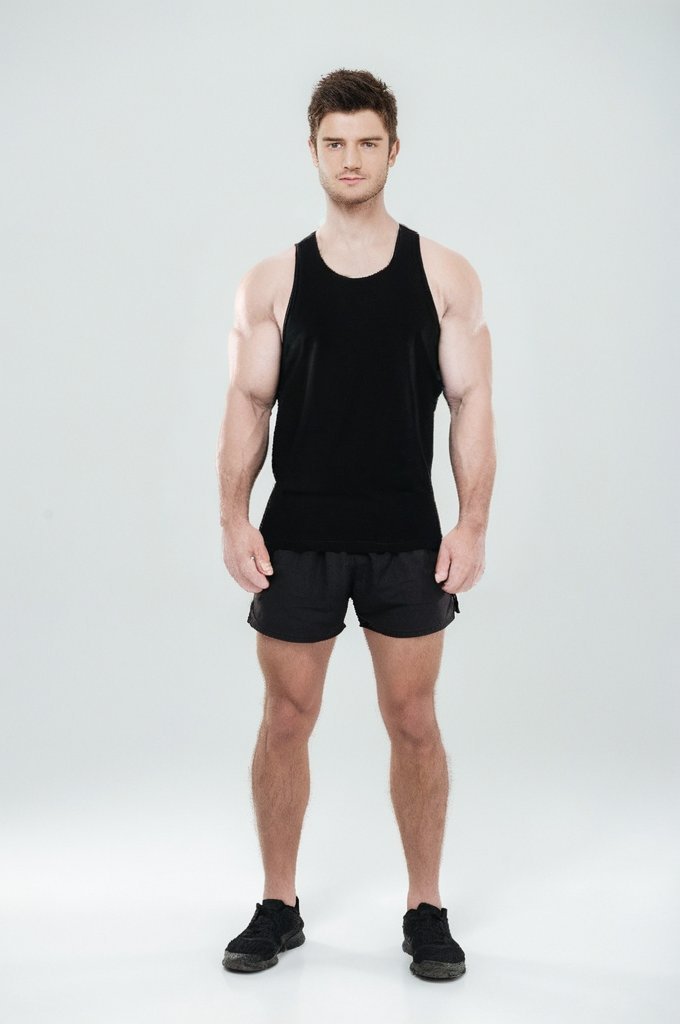 After
The work, step by step
- Why arm position decides what the long head does. The other two heads start on your upper arm bone. The long head starts higher, on your shoulder blade, so it crosses both the elbow and the shoulder. Raise your arm overhead and the muscle gets pulled long at the top end. Bend your elbow as well and it's stretched at both ends, which is the position it grows best from. There's decent evidence behind this: in a 2022 study by Maeo and colleagues, people trained one arm with overhead extensions and the other with pushdowns for 12 weeks, and the long head grew roughly 1.5 times as much on the overhead arm. So here's the filter for any long head exercise: where is your upper arm? Beside your head or angled back past your ear is great. Pinned to your ribs is fine for the other heads, but it isn't doing much here.
- Overhead cable extension: 3 sets of 10 to 12. This is the one to do if you only do one. Set the pulley low, attach a rope, face away from the stack and step forward into a split stance with the rope behind your head. Lean your torso slightly forward, keep your upper arms close to your ears, and straighten your elbows until your arms are nearly locked. Then let the rope pull your hands back behind your head until you feel a deep stretch along the back of your arm, and pause there for a second. Cables beat dumbbells here because the tension stays steady through the whole rep and getting into position is easier. Most beginners start at 10 to 20 kg on the stack. If your lower back arches to finish the rep, it's too heavy.
- Single-arm dumbbell overhead extension: 3 sets of 10 to 12 per arm. Sit on a bench with the back support up, hold one dumbbell and press it overhead. Lower it behind your head, letting it travel toward the opposite shoulder blade, then extend back up. Use your free hand to hold your working elbow in place if it wants to drift out. Working one arm at a time gives you a longer stretch than holding one dumbbell with two hands, and it shows up strength gaps between sides, which most people have. It also means you can do this move with a single dumbbell at home. Start around 5 to 10 kg, and do your weaker arm first, then match those reps on the stronger one. If you feel it pinching in the top of your shoulder, angle your arm slightly forward instead of straight up.
- Incline skull crusher: 3 sets of 8 to 12. A flat skull crusher brings the weight to your forehead with your arms pointing straight up, so the long head gets some stretch but not much. Set a bench to about 30 to 45 degrees and the whole thing changes: your upper arms now start angled back, closer to that overhead position. Hold two dumbbells or an EZ bar with your arms pointing up in line with your torso, and without moving your upper arms too much, bend at the elbows and lower the weight past the top of your head. Let your elbows drift back a little at the bottom, then extend. This is the heaviest of the long head exercises, so it's the one to push over time, but build up slowly. An empty EZ bar or 6 to 10 kg dumbbells is enough to start, and elbows adapt slower than muscle does.
- Bodyweight extension and cable kickback. Bodyweight extension: 3 sets of 8 to 12. Set a Smith machine bar or a pair of rings around waist height, take a push-up position with your hands on the bar, and bend only at the elbows so your head goes under and past the bar. Press back out to straight arms. Your arms finish up near your head, and you can make it easier by walking your feet back toward the bar or by raising the bar. Cable kickback: 2 sets of 12 to 15 per arm. Set the pulley around knee height, hinge forward, and hold your upper arm just behind your torso. Extend until your arm is fully straight and hold for a second. This is the opposite end of the range, with the long head fully shortened and squeezing hard. It's the finisher, not the main lift, so 2.5 to 7.5 kg is normal. Skip the swing, because a kickback that needs momentum isn't training anything.
- Put your long head tricep exercises into your week. Day A (end of chest or push day): overhead cable extension 3x10-12, incline skull crusher 3x8-12, cable kickback 2x12-15. Day B (end of back, shoulders or an arm block): single-arm overhead extension 3x10-12 per arm, bodyweight extension 3x8-12. That's 14 sets a week and about 15 minutes per block, on top of whatever your pressing already adds. Put two or three days between them, because sore elbows are what usually ends a triceps plan early. If you're already running a full triceps routine, don't stack all of this on top. Swap your pushdowns for the overhead cable extension on one day and see how your elbows feel for two weeks. Add reps until every set hits the top of the range, then go up by the smallest jump you can. Pair it with around 1.6 g of protein per kg of bodyweight, and a 200 to 300 calorie surplus if you're slim. Arms barely grow on a big deficit.
Common pitfalls
- Letting your elbows flare wide on overhead work. It takes load off the triceps and puts it on your shoulders. Keep them pointing mostly forward.
- Stopping the stretch short to use more weight. The bottom of the rep is the reason you're doing the exercise, so a heavy half rep overhead misses the point.
- Going heavy and slow-grinding in the stretch from week one. Long head work loads the elbow tendon hard at the bottom, so start light and add weight over weeks. If an elbow aches, drop the load and slow down the lowering.
- Assuming dips and close-grip bench have this covered. They're great for overall triceps strength, but your arm stays down and back, so they don't replace overhead work.
Pro tip: To show the long head in a photo, stand side-on with your arm hanging straight, then push your palm back toward your thigh and lock your elbow. That flexes the back of your arm and brings out the curve under the horseshoe. Light from the side or slightly behind you adds a shadow along the edge.
How Muscle Editor fits in
Curious what a fuller back of the arm would look like on you? Run a relaxed side-on photo through Muscle Editor's Arms editor at Fit, which is close to what 4 to 6 months of steady triceps and biceps work can add. Keep it next to your real monthly photos as a goal picture, not as proof of progress.
Frequently asked questions
What is the best long head tricep exercise?
The overhead cable extension for most people. Your arm is beside your head, so the long head gets a full stretch, and the cable keeps tension on it through the whole rep. A seated single-arm dumbbell overhead extension is the best option without cables.
Do skull crushers work the long head?
Yes, but they work it better when the weight goes behind your head instead of to your forehead, and better again on an incline bench. Both changes angle your upper arm back, which puts the long head in a longer position.
Do I need pushdowns if I do overhead extensions?
You don't need them, since overhead work hits all three heads. A few sets of pushdowns are still a good easy add-on for the lateral head, and they're gentler on sore elbows, so keep them if you enjoy them.
How often should I train the long head of the triceps?
Twice a week, around 8 to 14 hard sets in total, works well for most people. Each session only needs one or two overhead moves, and it's better to leave two days between them so your elbows can recover.
Filed under Workouts. Tagged: arms, triceps, long head, workout, beginners.