Workouts · 8 min read
Long Head Bicep Exercises: 5 Best Moves for a Higher Peak
The best long head bicep exercises for a higher peak: incline curls, Bayesian curls, drag curls and more, with sets, reps and a simple weekly plan.
Published November 4, 2026
Long head bicep exercises have one thing in common: your elbow sits at your side or behind it, never out in front. Get that position right and the outer part of your biceps, the part that gives a flexed arm its height, finally gets a proper stretch on every rep.
Most curl routines lean on moves that bring the elbows forward, like preacher curls and concentration curls. Those are fine exercises, but they let the long head off easy at the bottom of the rep. You don't need more arm days to fix it. Four moves, twice a week, is enough, as long as you're honest about what training can change: you can make the whole muscle bigger, but the shape of your peak is mostly set by your genetics.
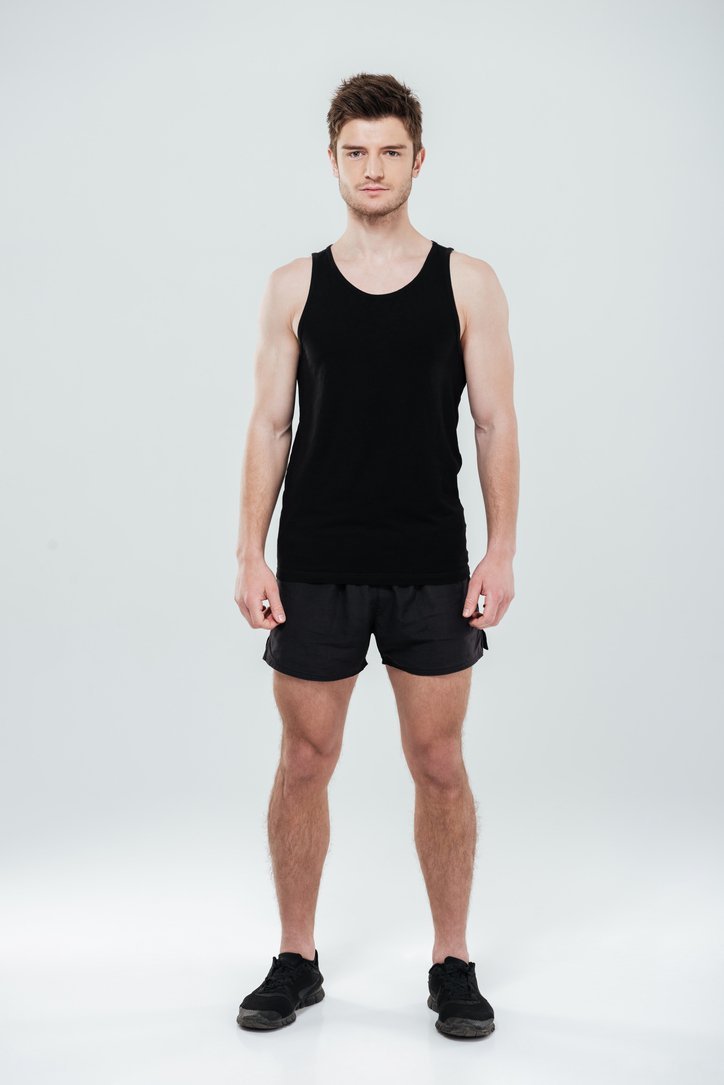 Before
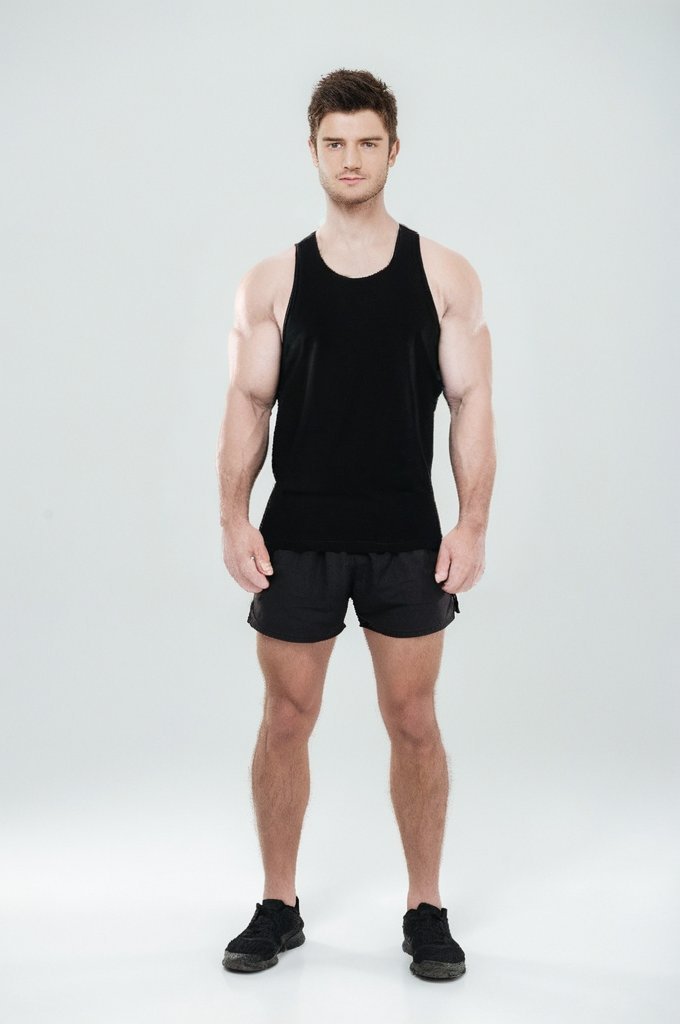 After
The work, step by step
- What the long head does, and what it can't do. Your biceps has two heads. The short head sits on the inside of your arm and starts on the front of your shoulder blade. The long head sits on the outside, and its tendon runs up over the top of your shoulder joint. That's the useful detail: because it crosses the shoulder, moving your elbow behind your body pulls it longer before the curl even starts. So here's the filter for any exercise for the long head of the bicep: where is your elbow at the bottom of the rep? Behind your torso is best, at your side is good, and out in front mostly favors the short head. Two honest caveats. Both heads work in every curl, so you can shift the emphasis but never isolate one. And the height of your peak depends largely on where your muscle ends and how long it is, which you can't train. Bigger still looks better, though, on any shape.
- Incline dumbbell curl: 3 sets of 8 to 12. If you only pick one of these, pick this. Set a bench to about 45 to 60 degrees, sit back with your head on the pad, and let your arms hang straight down so your elbows end up behind your body. Curl both dumbbells without letting your elbows swing forward, turn your pinky slightly up at the top, then take a full 2 to 3 seconds on the way down. Stop just short of locking out so the tension stays on the muscle. Your shoulders should stay pinned back on the pad the whole set. Expect to use 2 to 4 kg less than you do on a standing curl, so 5 to 8 kg per hand is a normal start for most beginners. Start at 60 degrees if the stretch feels too sharp in the front of your shoulder, and lower the bench over a few weeks.
- Bayesian cable curl: 3 sets of 10 to 12 per arm. This is the same idea on a cable, and it fixes the one weakness of the incline curl: dumbbells go light at the top. Set a pulley low, hold the handle in one hand, face away from the stack and take a step forward so the cable pulls your arm back behind your body. Stagger your feet, stay tall, and curl without letting your elbow drift more than a few centimetres forward. The cable pulls hard at the bottom and keeps pulling at the top, so there isn't a lazy part of the rep. Pause for a second at the stretch before each rep. Working one arm at a time also shows up strength gaps, so start with your weaker arm and match the reps on the other side. Around 5 to 10 kg on the stack is plenty at first. At home, a band anchored low in a door does a decent job.
- Drag curl: 3 sets of 8 to 12. A drag curl looks wrong the first time you do it, and that's fine. Hold a barbell, an EZ bar or two dumbbells with your palms forward. Instead of curling the weight out and up, pull your elbows straight back and slide the bar up your torso, close enough to brush your shirt, until it reaches your lower chest. Lower it the same way. Your elbows finish well behind your body, so the front delts can't take over the way they do on a regular curl. You'll have a shorter range of motion and you'll need less weight than you think: an empty EZ bar or 15 to 20 kg on a straight bar is a good start. Stand tall and don't lean back, because leaning just gives away the position you're chasing.
- Close-grip EZ bar curl and hammer curl. Close-grip EZ bar curl: 3 sets of 8 to 10. Take the inner grip on the bar, with your hands closer than shoulder width, and keep your elbows at your sides. A narrower grip is the classic long head tweak. The evidence for it is thinner than for the moves above, but it's still your heaviest long head bicep exercise, which makes it the one to push over time. Most beginners start around 15 to 25 kg total. Hammer curl: 2 sets of 10 to 12. Palms facing each other, elbows at your sides. This one is more about the brachialis and forearm than the long head, but it makes your arm look thicker from the side and gives the biceps something to sit on. Keep it as an add-on for when your elbows feel good, at 8 to 12 kg per hand.
- Put your long head bicep exercises into your week. Day A (end of a back or pull day): incline dumbbell curl 3x8-12, close-grip EZ bar curl 3x8-10. Day B (end of a push or lower day): Bayesian cable curl 3x10-12 per arm, drag curl 3x8-12. That's 12 direct sets a week and about 15 minutes per block, and your rows and pulldowns add more on top. Leave two or three days between them, for example Monday and Thursday. If you're already running a full biceps routine, don't stack all this on top. Swap your preacher curl or concentration curl for the Bayesian curl and see how it feels for two weeks. Add reps until every set hits the top of the range, then go up by the smallest jump you can. Eat around 1.6 g of protein per kg of bodyweight, plus a 200 to 300 calorie surplus if you're slim. Expect around 1 to 2 cm on your upper arm over your first 3 to 4 months of consistent training, shared across the whole arm, not just the peak.
Common pitfalls
- Letting your elbows slide forward on incline curls. It feels stronger because it takes the stretch away, and the stretch is why you're doing the exercise.
- Going straight to the lowest bench angle. The long head tendon runs across the front of your shoulder, so a deep stretch under heavy weight can irritate it. If you feel pain there, raise the bench and go lighter.
- Chasing a "peak exercise" and skipping the basics. No curl changes where your biceps ends. Total arm size is what you can actually control, so progressive overload beats any special variation.
- Forgetting about body fat. A peak is easier to see with less fat on your arms, so an average-sized arm at lower body fat often looks more impressive than a bigger arm that's softer.
Pro tip: To show the long head in a photo, turn side-on to a window and bend your arm to a bit past 90 degrees with your wrist turned out, as if you're trying to touch your pinky to your shoulder. Don't raise your elbow too high, because the outer edge of the arm loses its shadow when the light hits it flat.
How Muscle Editor fits in
Wondering what a taller bicep would look like on your own frame? Take a flexed side-on photo and run it through Muscle Editor's Arms editor at Fit, which is close to what 4 to 6 months of steady work can add. Keep it next to your real monthly photos as a goal picture, not as proof of progress.
Frequently asked questions
What is the best long head bicep exercise?
The incline dumbbell curl for most people. Your elbows stay behind your body, so the long head gets a full stretch at the bottom of each rep. If you have cables, the Bayesian curl is just as good and keeps tension on the muscle at the top too.
Do hammer curls work the long head of the bicep?
A little, but they're better for the brachialis and the forearm. They're still worth keeping because they make the arm look thicker, just don't count them as your main long head work.
Can you really change your bicep peak?
You can make it bigger, but you can't change its basic shape. Where the muscle attaches and how long the muscle belly is are genetic. Training the whole biceps hard and getting leaner gets you the best version of the peak you were born with.
How often should I train the long head of the bicep?
Twice a week, around 8 to 12 direct sets in total, works well for most beginners. Every curl trains both heads, so you don't need a separate day for it. Just pick moves that keep your elbows at your side or behind you.
Filed under Workouts. Tagged: arms, biceps, long head, workout, beginners.